The Truth About Land Availability in El Paso County
Land availability in El Paso County is one of the most talked-about topics among homebuyers, builders, and investors in Southern Colorado. Many people assume there is endless open land ready for development, but the reality is far more complex. Between zoning restrictions, infrastructure limitations, population growth, and environmental protections, available land is not as abundant or flexible as it may appear.
Understanding the truth about land availability in El Paso County is essential if you are considering building a home, purchasing acreage, or investing in future development. This guide breaks down what land is actually available, where it exists, and what factors limit or shape new growth across the county.
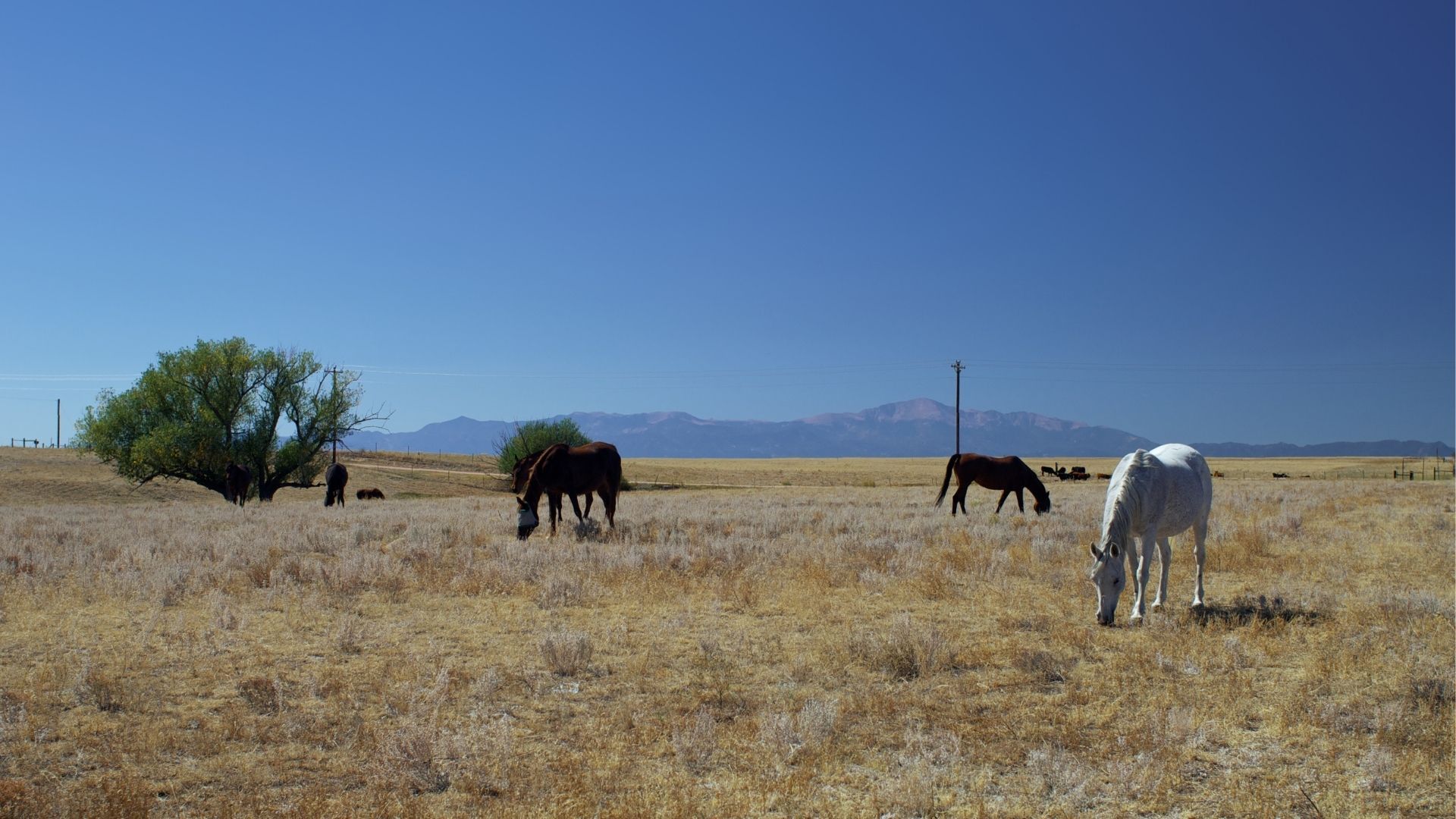
Understanding El Paso County Land Supply
How Much Undeveloped Land Exists
El Paso County covers more than 2,100 square miles, which often leads people to believe land is plentiful. While large portions remain undeveloped, much of this land is not build-ready. Significant acreage is dedicated to military installations, protected open space, ranch land, or terrain that is unsuitable for residential construction.
Only a fraction of the county’s total land is zoned for residential or mixed-use development. Even less is currently serviced by roads, utilities, and water infrastructure, which dramatically narrows true availability.
Public vs Private Land Ownership
A substantial amount of land in El Paso County is owned by federal and state entities. Fort Carson, the United States Air Force Academy, and other military holdings remove tens of thousands of acres from private development. Additional land is preserved through parks, conservation easements, and watershed protections.
Private land ownership does not automatically mean development is permitted. Zoning, overlay districts, and land use codes heavily influence what can actually be built.
Zoning and Land Use Regulations
County vs City Jurisdiction
Land availability in El Paso County differs greatly depending on whether a parcel falls under county or municipal jurisdiction. Cities like Colorado Springs, Fountain, and Monument have their own zoning codes, development standards, and growth plans.
County land often allows more flexibility but typically requires larger minimum lot sizes and stricter septic and water requirements. City land may allow higher density but comes with stricter design and impact fee standards.
Agricultural and Rural Zoning Limits
Much of the remaining undeveloped land is zoned agricultural or rural residential. These zones are designed to preserve open space and limit density. Subdividing this type of land can be costly, time-consuming, and sometimes prohibited.
Buyers are often surprised to learn that agricultural zoning does not mean land can easily be converted into housing developments.
Infrastructure as a Limiting Factor
Water Availability and Rights
Water is one of the biggest constraints on land availability in El Paso County. Many areas lack access to municipal water systems, requiring wells or participation in water districts. Not all land qualifies for well permits, and water rights can significantly increase development costs.
Future growth is heavily influenced by long-term water planning and sustainability concerns.
Roads, Utilities, and Services
Land without paved road access, electricity, natural gas, or broadband is far less attractive to builders and buyers. Extending infrastructure can cost hundreds of thousands of dollars per mile, which limits development to areas near existing services.
Emergency services and school capacity also influence whether land is approved for development.
Population Growth and Development Pressure
Demand for Housing
El Paso County continues to experience strong population growth driven by military expansion, job opportunities, and lifestyle appeal. This growth increases demand for housing and pushes developers to seek land in previously overlooked areas.
As demand rises, land that is already entitled and serviced becomes more valuable and scarce.
Urban Expansion vs Preservation
Local governments face constant pressure to balance growth with preservation. Community resistance to sprawl has led to stricter growth boundaries, density controls, and approval processes.
These policies protect quality of life but also reduce the speed at which new land becomes available for development.
Where Land Is Still Available
Eastern Plains of El Paso County
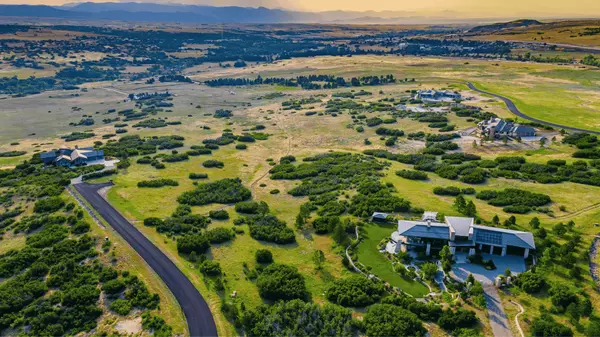
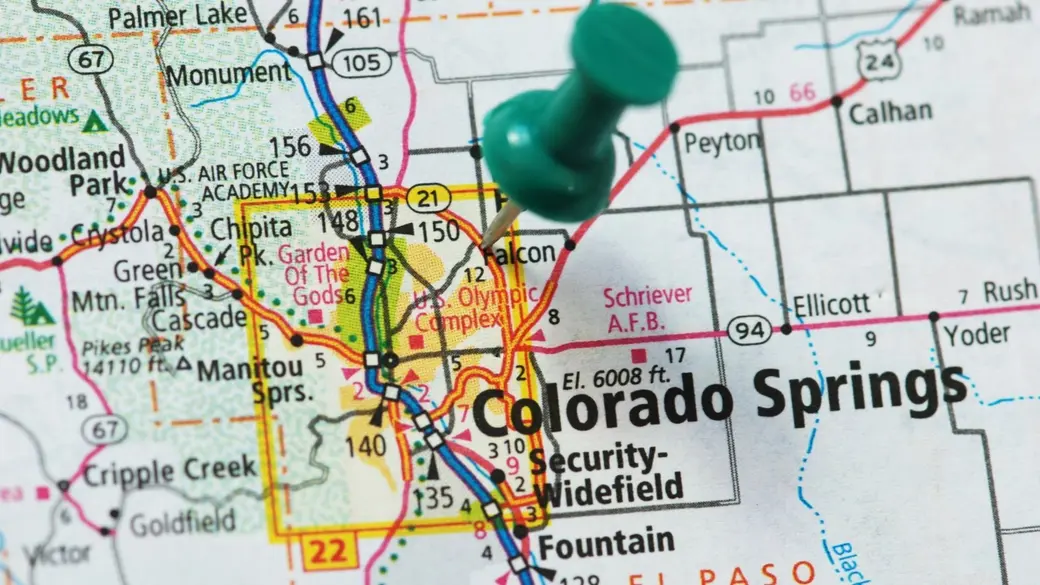
The eastern portion of the county offers the largest concentration of available land. Areas near Peyton, Calhan, and Falcon continue to see new development, particularly for larger lots and custom homes.
However, buyers must carefully evaluate water access, commute times, and long-term development plans.
Infill and Redevelopment Opportunities
Inside Colorado Springs and surrounding towns, land availability increasingly comes from infill and redevelopment rather than raw land. Vacant lots, underutilized commercial parcels, and redevelopment zones provide opportunities for growth without expanding outward.
These projects often involve higher costs but benefit from existing infrastructure.
Misconceptions About Land Availability
“There Is Plenty of Land Everywhere”
While land may look abundant, buildable land is limited. Topography, zoning, environmental constraints, and infrastructure all reduce usable acreage.
What appears to be open land today may never be eligible for residential development.
“Buying Land Is Cheaper Than Buying a Home”
Raw land often carries hidden costs. Site preparation, utilities, permits, water, and access can exceed the cost of an existing home. Land purchases require careful due diligence and realistic budgeting.
What This Means for Buyers and Investors
Acting Early Matters
As land availability in El Paso County becomes more constrained, prices for build-ready lots are likely to rise. Buyers who wait may face fewer choices and higher costs.
Understanding which areas are positioned for future development is critical for long-term value.
Professional Guidance Is Essential
Navigating zoning, water rights, and land use regulations requires local expertise. Working with professionals who understand El Paso County land policies can prevent costly mistakes and delays.
The Future of Land Availability in El Paso County
Long-Term Growth Planning
El Paso County continues to update its master plans to manage growth responsibly. These plans prioritize infrastructure readiness, water sustainability, and community input.
Future land availability will depend on how well these plans balance development and preservation.
Shifting Buyer Preferences
Demand for larger lots, multi-generational living, and flexible zoning may influence future land use decisions. This could open new opportunities in certain areas while further restricting others.
Final Thoughts
The truth about land availability in El Paso County is that while land exists, buildable and accessible land is increasingly limited. Zoning regulations, infrastructure costs, water availability, and growth controls all play a major role in shaping what is truly available.
Whether you are a buyer, builder, or investor, understanding these realities can help you make informed decisions and avoid unexpected challenges.
Ready to Explore Land Opportunities?
If you are considering buying land or building in El Paso County, now is the time to get informed and act strategically. Call or email me to discuss current land availability, zoning considerations, and opportunities that align with your goals.Categories
Recent Posts