Top 3 Mistakes to Avoid When Buying Land in Colorado
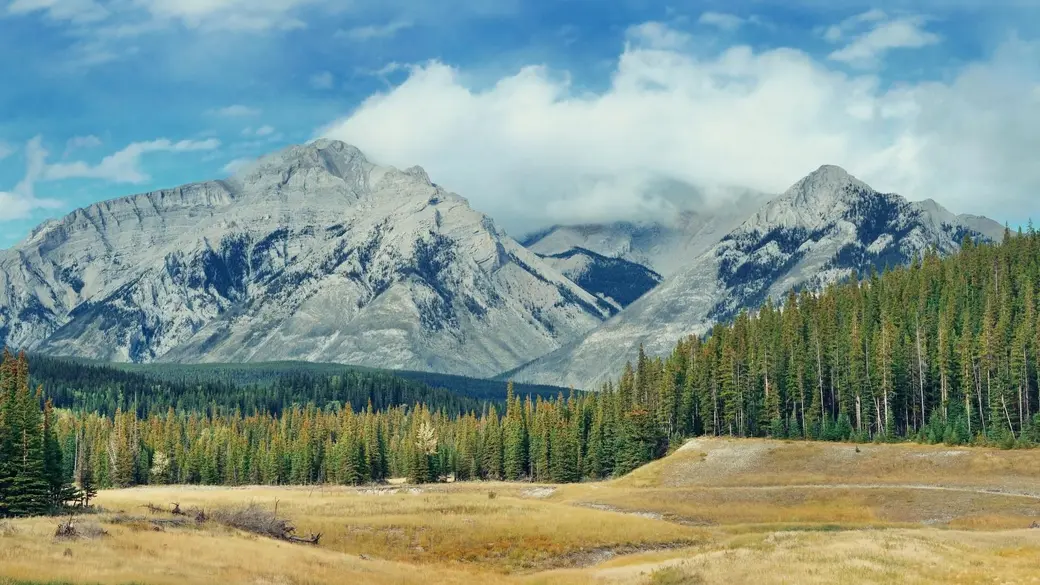
Buying land in Colorado can be an exciting step toward building your dream home, creating an investment opportunity, or securing a future getaway. However, buying land in Colorado is very different from purchasing an existing home, and many buyers underestimate the complexity involved. From zoning laws to utility access, overlooking key details can lead to expensive surprises.
In this guide, we will walk through the top 3 mistakes to avoid when buying land in Colorado, explain why they matter, and show you how to protect yourself before you commit. Whether you are a first-time land buyer or a seasoned investor, avoiding these common pitfalls can save you time, money, and stress.
Mistake #1: Not Fully Understanding Zoning, Land Use, and Restrictions
Why Zoning Laws Matter in Colorado
Zoning laws control how land can be used, and in Colorado, these regulations vary widely by county and municipality. Assuming you can build whatever you want on a parcel without verifying zoning is one of the biggest mistakes buyers make.
Some parcels are zoned strictly for agricultural use, while others may allow residential construction with limitations. Even within residential zoning, there may be restrictions on home size, accessory dwelling units, short-term rentals, or commercial activity.
County vs City Jurisdiction Confusion
Colorado has large unincorporated areas governed by counties rather than cities. County regulations often differ significantly from nearby towns. A parcel just outside city limits may not qualify for the same building rules or utility access.
Before purchasing land, verify:
- The governing authority for the property
- Allowed land uses
- Minimum building size and setbacks
- Restrictions on modular or manufactured homes
HOA and Covenant Restrictions
Even if zoning allows your intended use, private covenants or homeowners associations may impose stricter rules. These can limit architectural style, fencing, outbuildings, livestock, or even the timeline to build.
Always request and review:
- HOA bylaws
- Protective covenants
- Design guidelines
- Annual fees and assessments
Failing to review these documents can derail your plans after closing.
Mistake #2: Assuming Utilities and Access Are Simple
Lack of Water, Sewer, and Electricity
Many Colorado land parcels, especially in mountain or rural areas, do not have utilities readily available. Buyers often assume water, sewer, and power are nearby, only to discover costly installation requirements.
Common scenarios include:
- Drilling a well with uncertain water yield
- Installing a septic system after soil testing
- Running power lines thousands of feet to the site
These costs can exceed the price of the land itself.
Water Rights and Well Permits
Water rights are a serious issue when buying land in Colorado. Not all wells allow household, irrigation, and livestock use. Some wells are restricted to indoor residential use only.
Before purchasing land, confirm:
- Well permit type and limitations
- Whether water rights transfer with the land
- Availability of municipal water taps and fees
Legal Access vs Physical Access
A property may appear accessible but lack legal access. This happens when a parcel relies on private roads or neighboring land without a recorded easement.
Always verify:
- Recorded access easements
- Road maintenance agreements
- Seasonal access limitations, especially in winter
Without legal access, financing and building may be impossible.
Mistake #3: Skipping Due Diligence on Soil, Topography, and Buildability

Soil Conditions and Septic Approval
Soil quality directly impacts your ability to build. In Colorado, many rural properties require a soil test to approve a septic system. Rocky soil, clay, or steep slopes can complicate or prevent installation.
A failed soil test can significantly increase construction costs or make the property unbuildable.
Topography and Site Preparation Costs
Colorado’s stunning landscapes often come with challenging terrain. Steep slopes, flood zones, and unstable soil can require extensive grading, retaining walls, or engineered foundations.
Before buying land, assess:
- Slope and elevation changes
- Floodplain designation
- Drainage and erosion risks
- Snow load and wind exposure in mountain areas
Environmental and Wildlife Considerations
Some land parcels are subject to environmental protections or wildlife corridors. These restrictions can limit where and when you can build.
Check for:
- Wetlands or conservation easements
- Wildlife impact requirements
- Fire mitigation rules in high-risk zones
Skipping environmental research can lead to delays, fines, or denied permits.
How to Buy Land in Colorado the Right Way
Buying land in Colorado requires a different approach than buying a home. Working with professionals who understand land transactions is critical.
A smart land purchase strategy includes:
- Consulting with a local real estate expert
- Contacting the county planning and zoning department
- Reviewing utility availability early
- Ordering surveys and soil tests before closing
- Understanding long-term development costs
Land can be an incredible investment when purchased correctly, but mistakes are often irreversible once the deal closes.
Final Thoughts on Buying Land in Colorado
Buying land in Colorado offers endless possibilities, from mountain retreats to long-term investment opportunities. However, the process requires careful research, patience, and expert guidance. By avoiding these top 3 mistakes, you position yourself for a successful purchase and a smoother path to development.
Land ownership should feel empowering, not overwhelming. The right preparation makes all the difference.
Ready to Buy Land in Colorado?
If you are considering buying land in Colorado and want expert guidance from start to finish, working with a knowledgeable real estate professional can help you avoid costly mistakes.
Call or email today to discuss available land opportunities, zoning questions, and next steps toward securing the perfect property for your goals.Categories
Recent Posts