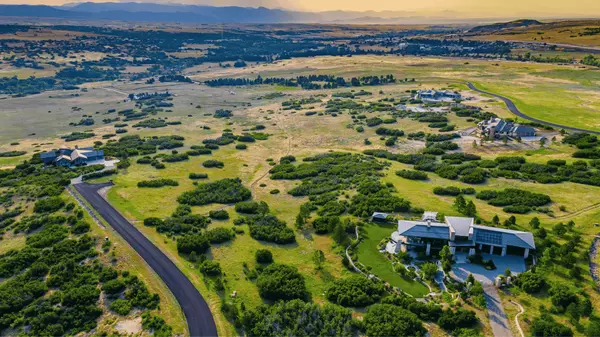
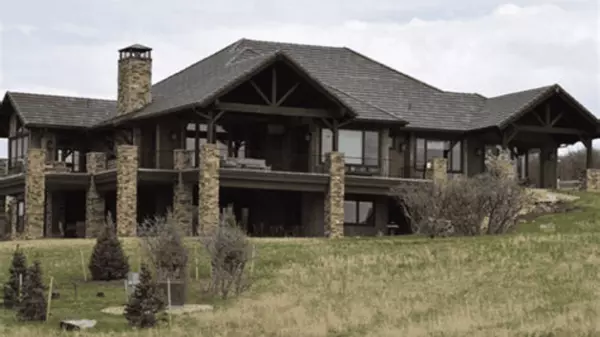
Colorado Land Sales: What You Need to Know Before You Buy

Buying land in Colorado is an exciting opportunity—whether you’re dreaming of a mountain cabin, an investment parcel, or a future homesite. But unlike purchasing an existing home, buying land comes with its own unique considerations, regulations, and due-diligence steps. Before you start browsing acreage in your favorite part of the state, here’s what you need to know to make a confident and informed decision.
1. Know Your Land Use and Zoning
Colorado counties regulate land differently, and zoning impacts everything from whether you can build a home to whether your land can be used for agriculture, short-term rentals, or recreation. Always review:
- Zoning codes
- Future land-use maps
- Covenants, HOA rules, or architectural guidelines
If you’re planning to build, dig, farm, or subdivide, be sure your intended use is allowed.
2. Understand Water Rights and Availability
Water is one of the biggest factors affecting land value and usability in Colorado. Depending on the location, water may come from:
- A well (existing or needing a permit)
- A municipal supply
- Irrigation company shares
- Surface water access (streams, ponds)
Colorado water rights can be complex. Always verify:
- Whether the parcel has legal water access
- If well drilling is permitted
- Existing well permits
- Water augmentation requirements in some basins
3. Check Utilities and Infrastructure
Not all parcels—especially rural or mountain lots—come equipped with utilities. Ask about:
- Electric availability and proximity
- Internet service or fiber access
- Septic requirements
- Natural gas vs propane
- Road maintenance (county vs private)
If utilities aren’t nearby, factor the installation costs into your budget.
4. Confirm Land Surveys and Boundary Lines
A professional survey helps avoid headaches like encroachments, easement disputes, or inaccurate acreage. Many buyers assume boundaries based on fences or assumptions—but surveys are the only reliable source.
Ask the seller:
- Is there a recent survey?
- Are there shared access easements?
- Are there utility easements on the property?
If not, consider ordering one before closing.
5. Evaluate Topography, Soil, and Buildability
Colorado’s terrain varies widely, and the land’s physical characteristics can impact construction. Before purchasing, look into:
- Slope and grading needs
- Soil tests and percolation tests (required for septic)
- Flood zones
- Fire mitigation requirements
- Accessibility in winter months
These factors influence both buildability and long-term maintenance costs.
6. Financing Land Is Different Than Financing a Home
If you’re not paying cash, land loans come with:
- Larger down payment requirements
- Shorter loan terms
- Higher interest rates
Some buyers opt for:
- Land loans
- Construction-to-permanent loans
- Seller financing (available on some properties)
Always check which option fits your timeline and goals.
7. Work With a Land-Savvy Colorado Agent
Colorado land purchases require specialized knowledge—water, zoning, access, utilities, mineral rights, and more. A local land specialist can help you:
- Evaluate parcels
- Understand county regulations
- Navigate due diligence
- Find opportunities before they hit the market
Buying land in Colorado can be incredibly rewarding—just make sure you have the guidance and information needed to make a smart, secure investment.
Categories
Recent Posts