Understanding Water Rights in Colorado Land Purchases
Buying land in Colorado comes with a unique set of considerations and water rights are at the top of the list. Whether you’re planning to build a home, farm, ranch, or simply invest in acreage, understanding how water is regulated in Colorado can make or break your purchase.
Colorado’s semi-arid climate and long history of water scarcity mean that water rights are separate from land ownership, and buyers must verify what water access (if any) comes with a property.
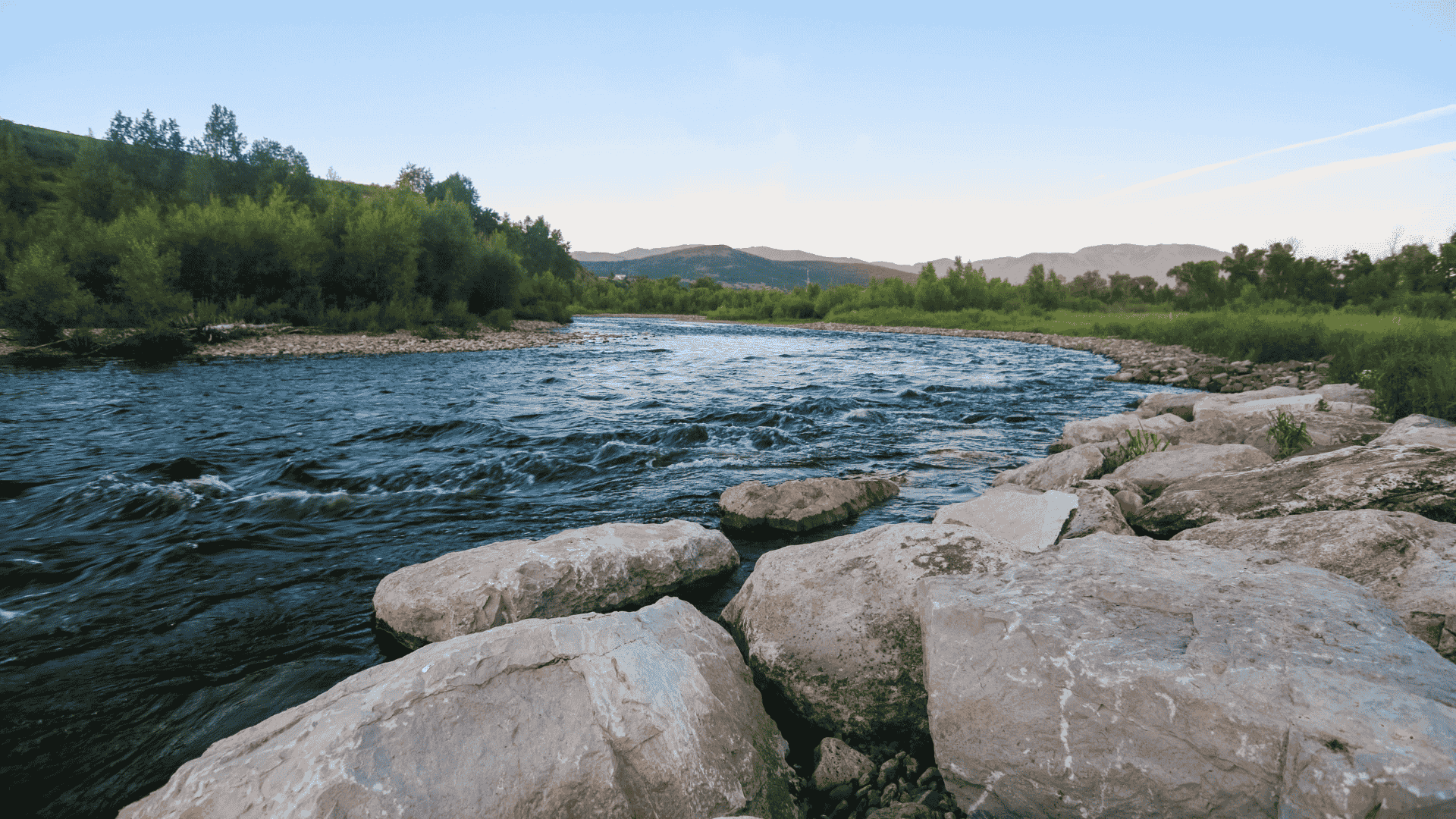
Here’s what every land buyer should know.
💧 How Water Rights Work in Colorado
Colorado follows the prior appropriation doctrine, better known as “first in time, first in right.” This means the earliest users of water hold the strongest rights, regardless of who owns the surrounding land today.
There are two primary categories of water rights in Colorado:
1. Surface Water Rights
These include rights to use water from:
- Rivers
- Streams
- Creeks
- Lakes
- Irrigation ditches
Surface rights are often tied to agricultural or historic use and can significantly impact property value.
2. Groundwater Rights
Groundwater is heavily regulated and may require:
- A well permit,
- Proof of beneficial use, and
- Compliance with designated basin rules.
Most rural properties rely on private wells—but not all land is eligible for one.
🏡 Wells and Well Permits
Before you purchase land, determine whether you can drill a well. Colorado issues different types of permits based on property size, location, and water availability:
- Domestic well permits (typically allow indoor use + limited outdoor watering)
- Household-use-only permits (indoor use only)
- Commercial or irrigation wells (harder to obtain and strictly regulated)
If a parcel already has a well, request:
- The well permit number,
- Pump installation records, and
- Water quality tests.
🔄 Augmentation Plans
In some areas, using groundwater without replacing it back into the system can injure senior water rights. When this occurs, buyers may need an augmentation plan—a legal mechanism ensuring water use doesn’t negatively impact older claims.
These plans can be expensive and time-consuming, so it’s crucial to confirm whether the property requires one before you close.
🌾 Irrigation & Agricultural Water Rights
If you're buying land for farming or ranching, verify:
- What irrigation rights are included
- The priority date of those rights
- Delivery mechanisms (ditches, headgates, reservoirs)
- Annual water allocations
Agricultural water rights can be more valuable than the land itself.
🔍 Key Questions to Ask Before Buying
Before making an offer, confirm the following:
- Does the property include surface or groundwater rights?
- Is a well already drilled? If not, can one be permitted?
- Are there HOA, covenants, or subdivision rules limiting water use?
- Does the location require an augmentation plan?
- Are there ditch or irrigation company fees?
- What historical water use has been recorded?
These answers can dramatically change how the property can be used—and its long-term value.
✔️ Final Thoughts
Water rights are one of the most important—and most misunderstood—components of buying land in Colorado. Whether you’re planning to build a home or purchase agricultural acreage, make sure you understand exactly what water access comes with the property and what steps you’ll need to take to secure reliable water use.
Working with knowledgeable brokers and checking official water records can ensure your land purchase supports your long-term goals.
Reach out if you have questions. I'm here to answer all your inquiries.
Categories
Recent Posts