Land Loans 101: What Most Buyers Don’t Know

Buying land is an exciting step toward building your dream home, investing for the future, or securing space for recreation. But land loans work very differently from traditional home mortgages, and many buyers are surprised by the stricter requirements, higher down payments, and unique risks involved.
If you are considering purchasing vacant land, understanding how land loans work is essential. In this guide, we break down what most buyers do not know about land loans, how they differ from conventional mortgages, and how to position yourself for approval.
What Is a Land Loan?
A land loan is a type of financing used to purchase a parcel of vacant land. Unlike a traditional mortgage, which is secured by a completed home, land loans are backed only by the land itself.
From a lender’s perspective, vacant land presents more risk than a house. There is no existing structure to serve as collateral value, and if the borrower defaults, selling raw land can take longer.
Because of this added risk, lenders structure land loans differently.
Types of Land Loans
Not all land is financed the same way. The type of land you are buying affects your loan options.
Raw Land Loans
Raw land has no utilities, no road access, and no improvements. This is the riskiest category for lenders.
- Highest down payment requirements
- Higher interest rates
- Shorter loan terms
- Stricter approval standards
Unimproved Land Loans
Unimproved land may have some basic infrastructure such as road access or partial utilities, but it is not fully ready for building.
- Moderate down payments
- Competitive but higher interest than mortgages
- More flexibility than raw land
Improved Land Loans
Improved land has utilities, road access, and sometimes grading completed. It is typically ready for construction.
- Lower down payment compared to raw land
- More favorable loan terms
- Easier approval process
Why Land Loans Require Larger Down Payments
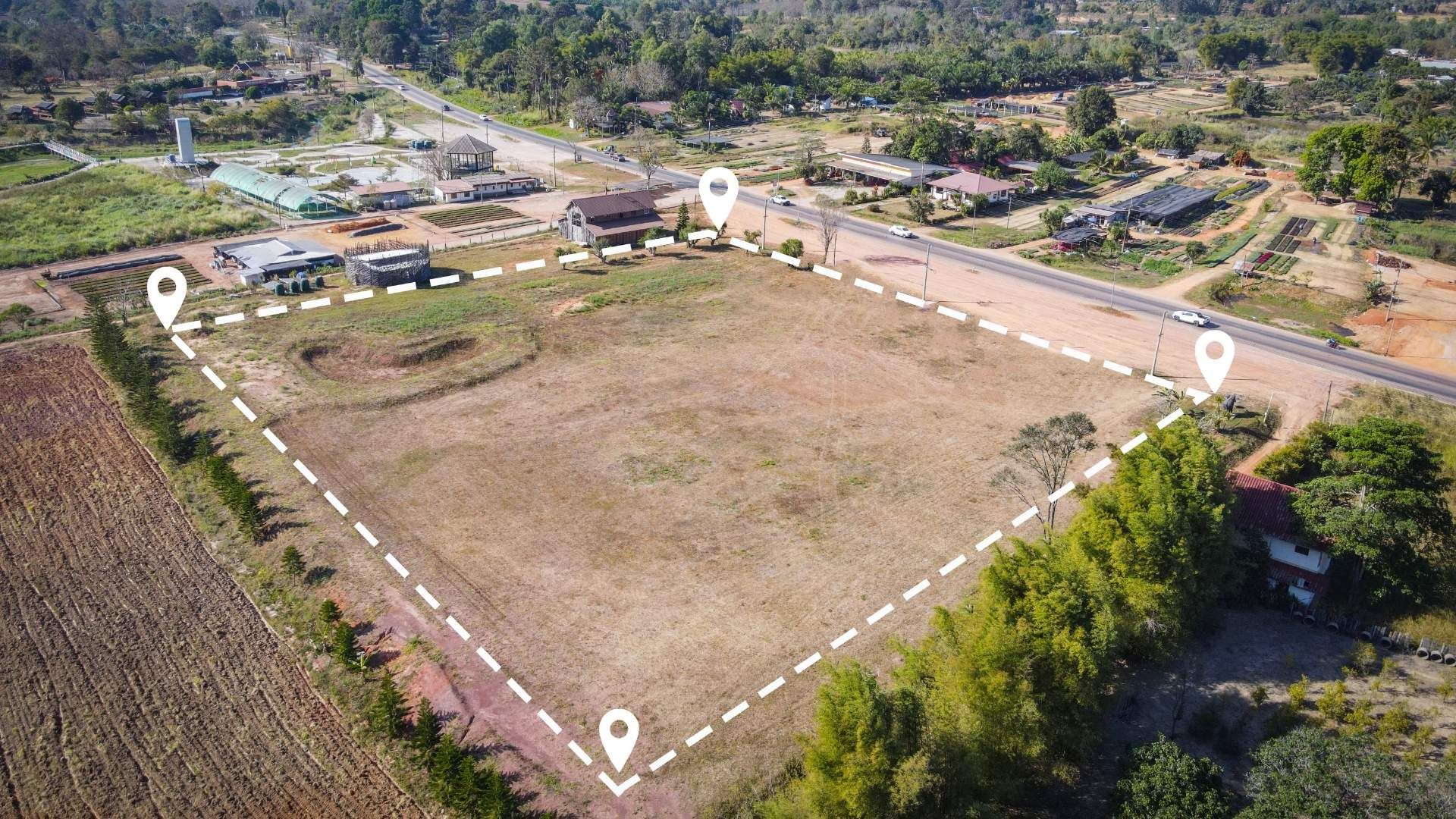
One of the biggest surprises for buyers is the required down payment. While traditional home loans may allow 3 to 20 percent down, land loans often require 20 to 50 percent.
Higher Risk for Lenders
Vacant land does not generate income and does not provide immediate housing. If a borrower stops paying, the lender must sell undeveloped property, which can take time depending on the market.
Limited Secondary Market
Most home mortgages can be sold to investors on the secondary market. Land loans often cannot, which means lenders keep them in-house. That increases their exposure and risk.
Because of these factors, lenders reduce their risk by requiring more upfront equity.
Interest Rates and Loan Terms
Another common misconception is that land loans have mortgage-level interest rates. In reality, rates are typically higher.
Why Interest Rates Are Higher
- Increased lender risk
- Fewer lenders offering land loans
- Limited resale market
Depending on your credit profile and the type of land, interest rates may be one to three percent higher than traditional mortgage rates.
Shorter Loan Terms
Land loans often come with shorter repayment periods, such as:
- 5 to 15 year terms
- Balloon payments
- Adjustable rates
Some buyers plan to refinance into a construction loan once building begins, which can provide more favorable terms.
Credit Requirements and Financial Qualifications
Qualifying for a land loan usually requires stronger financial credentials than a conventional mortgage.
Credit Score Expectations
Many lenders look for:
- Credit scores of 680 or higher
- Strong debt-to-income ratios
- Stable income history
Lower credit scores may still qualify, but the interest rate and down payment requirements will likely increase.
Cash Reserves
Lenders often require borrowers to show additional cash reserves. This proves you can handle property taxes, potential development costs, and unexpected expenses.
Construction Plans Can Strengthen Your Application
If you plan to build on the land, sharing your construction timeline can improve your approval odds.
Why Lenders Prefer Building Plans
Land intended for immediate construction carries less risk than land held indefinitely. A clear building plan demonstrates purpose and long-term value.
You may be asked to provide:
- Architectural plans
- Builder contracts
- Construction budgets
- Timeline for completion
Some lenders offer construction-to-permanent loans, which combine land financing and building costs into one loan.
Zoning and Land Use Restrictions Matter
Many buyers overlook zoning regulations until after closing. This can create expensive surprises.
Verify Zoning Before Buying
Confirm that the property allows your intended use:
- Residential construction
- Agricultural activities
- Recreational use
- Commercial development
Check with the local planning department before finalizing your purchase.
Easements and Access
Some parcels lack legal road access or have utility easements that limit building placement. Always review:
- Title reports
- Survey maps
- Access rights
A small oversight can significantly impact your building plans.
Utility and Development Costs Add Up
Buying the land is just the beginning. Development costs can be substantial.
Infrastructure Expenses to Consider
- Well drilling
- Septic installation
- Electrical connection
- Driveway construction
- Grading and soil testing
These costs are typically not included in the land loan unless structured as a construction loan. Budget carefully and consult professionals before purchasing.
Alternatives to Traditional Land Loans
If traditional financing feels restrictive, you may have other options.
Seller Financing
Some landowners offer financing directly to buyers. Terms vary widely, but seller financing may offer:
- Lower qualification standards
- Flexible terms
- Faster closings
However, interest rates may still be higher.
Home Equity Loans
If you already own property, you may use home equity to purchase land. This can offer:
- Lower interest rates
- Longer repayment terms
- Simplified approval
This strategy ties the new purchase to your existing home, so evaluate the risks carefully.
Local Banks and Credit Unions
Community banks often understand local land values better than national lenders. They may offer more flexible terms for vacant land purchases.
Common Mistakes Land Buyers Make
Understanding what not to do can save you time and money.
Underestimating Total Costs
Many buyers focus solely on the purchase price and overlook:
- Permits
- Engineering studies
- Impact fees
- Ongoing property taxes
Skipping Due Diligence
Failing to investigate zoning, soil quality, flood zones, or utility access can lead to costly complications.
Assuming Financing Will Be Simple
Land loans require preparation. Working with a lender experienced in land transactions is crucial.
Is a Land Loan Right for You?
Land loans can be an excellent opportunity for long-term investment or custom home building. However, they require careful planning and strong financial preparation.
Ask yourself:
- Do I have a clear timeline for development?
- Can I comfortably manage a larger down payment?
- Have I researched zoning and utility costs?
- Do I have cash reserves for unexpected expenses?
If the answer is yes, purchasing land can be a powerful step toward building wealth and creating a property tailored to your vision.
Final Thoughts on Land Loans
Land loans are not as straightforward as traditional mortgages, but with the right knowledge, they can be a smart financial move. Understanding the risks, requirements, and development costs helps you avoid surprises and move forward confidently.
If you are considering buying vacant land and want expert guidance on financing options, property selection, and local regulations, our team is here to help.
Ready to explore land opportunities? Contact us today to discuss your goals and find the right property for your future.Categories
Recent Posts